

Casino table games seldom appear in just one standard form https://spinlynxscasino.co.uk/. Across UK-facing platforms like Spinlynx Casino, a single classic title often splits into several distinct variants, each with its own rule modifications, side bet options, and payout structures. Understanding how these variants work turns a casual session into a more informed, strategic experience. We explore what defines a variant, why multiple versions exist, and how a player can handle them sensibly.
Poker-Based Table Game Variants
Casino poker variants different from traditional player-versus-player poker. These games set you against the dealer or against a paytable, eliminating the need to bluff or read opponents. The three primary families are casino hold’em style games, three-card poker derivatives, and pai gow poker. Each family alters hand rankings, the number of cards dealt, or the ante structure. Grasping the exact betting sequence is crucial because the order of decisions dictates where strategy applies.
Casino Hold’em and Caribbean Stud Versions
Casino hold’em gives two cards to the player and two to the dealer, with five community cards displayed in stages. The player must determine whether to fold the ante or place a call bet worth twice the ante after seeing the flop. Variants like Ultimate Texas Hold’em move the decision points earlier, allowing a larger raise at the pre-flop stage. The earlier you commit a large raise, the lower the house edge on the ante bet, provided you follow the mathematically optimal raising thresholds.
Caribbean stud poker functions differently: you get five cards and the dealer uncovers one. You need to fold or raise by exactly doubling the stake before viewing the full dealer hand. The dealer needs to qualify with at least ace-king. Variations may add a progressive jackpot side bet that pays out even if the dealer fails to qualify. We analyze the qualification threshold and the paytable for the progressive bet thoroughly. The main game house edge on Caribbean stud hovers around 5.2% with optimal strategy, considerably higher than casino hold’em, which can drop below 2.2%.
3-Card Poker and Its Payout Structures
Three-card poker variants centre on whether you play the Pair Plus ante, the ante-and-play against the dealer, or both. Pair Plus rewards exclusively depending on your own three-card hand quality, from a simple pair up to a straight flush or mini royal. The dealer’s hand is not relevant to that bet. The ante-play portion requires the dealer to qualify with queen-high or better. A variant modifying the dealer qualification threshold directly changes the frequency of play action and the optimal folding range.
Some UK-focused platforms host a variant called Prime Three-Card Poker, which introduces a coloured card mechanic linking suits. The side bets in these versions offer payouts for specific colour combinations. The core rule remains comparable, but the added proposition bets typically carry house edges above 7%. We separate between the base game edge and the side bet edge. The Pair Plus bet itself generally sits between 2.3% and 7.3% based on the paytable, so we compare the posted payout scale before committing.
Roulette Versions Across UK Casino Platforms
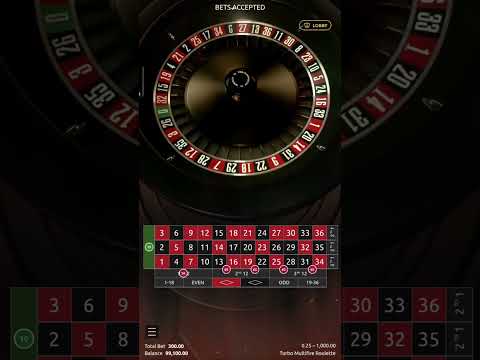
Roulette variants center on the number of pockets on the wheel and the associated house en.wikipedia.org edge, but they also vary through distinct betting rules and racetrack interfaces. A UK player at Spinlynx Casino will encounter at least three core wheel layouts, each delivering a completely different mathematical profile. Aside from the pocket count, variants like double ball roulette or multi-wheel roulette amplify the action rather than changing the wheel structure. Recognizing the pocket composition is the starting point of any roulette session.
French, European, and American Roulette Side by Side
European roulette employs a single zero, reaching 37 pockets, and offers a house edge of 2.7% on all bets that do not involve the zero. French roulette employs the identical single-zero wheel but adds the La Partage or En Prison rule on even-money bets. When the ball stops on zero, a covered even-money wager either gives back half the stake instantly or remains imprisoned for the next spin. This rule slashes the effective house edge on those outside bets to 1.35%.
American roulette includes an additional double zero pocket, creating 38 numbers and a house edge of 5.26% on most bets. The difference between a 2.7% and a 5.26% edge is substantial over time. We strongly recommend that UK players check the wheel configuration before placing chips. At Spinlynx Casino, the game title or info panel commonly shows the wheel type clearly. If a roulette table has a racetrack betting interface but carries a double zero, it is still American roulette, despite superficial similarities to French layouts.
Special Roulette Variants with Extra Features
Aside from the three core wheels, specialty variants introduce mechanical twists. Multi-ball roulette launches two or more balls simultaneously, giving you multiple independent outcomes per spin. Your inside bets work to each ball, so a straight-up number can hit and pay multiple times. The payout for each ball is determined individually, but the total wager includes the full spin. This increases volatility considerably while maintaining the underlying house edge of the wheel you are playing on.
Mini roulette uses a more compact wheel with only 13 pockets, spanning zero through twelve. The payout table is modified accordingly, and some versions give back half the stake on zero. Notwithstanding the more limited range of numbers, the house edge on mini roulette can actually exceed that of standard European roulette, based on the zero rule. We investigate the exact payout table and zero policy of any specialty variant before allocating a bankroll. Novelty should not mask a worse mathematical deal.
The Fundamental Principle Of Table Game Variants
At its most basic level, a variant is a modified version of a base casino game. The modifications can touch the dealing procedure, the number of decks, the offered side bets, or even the payout ratios for natural hands. A variant is not a completely different game; it retains the structural DNA of the original but alters specific mechanics to move the house edge or add new decision points. These changes can be minor or radical.
For a UK player browsing Spinlynx Casino’s table game lobby, the pure variety can initially seem confusing. You find multiple blackjack tables sitting next to each other, each labelled differently. That labelling difference points to a specific rule set. Understanding that a “variant” is essentially a contract of rules helps you read the table before putting down a chip. The contract governs how the dealer plays on soft totals, whether surrender is permitted, and what a suited pair really pays.
What Makes Providers Introduce So Many Versions
Game studios develop variants chiefly to address two commercial puzzles: player fatigue and market differentiation. A player who has played standard European blackjack for years might ignore another standard table, but a variant promising progressive multipliers or a novel side bet can revive interest. For the provider, a successful variant becomes proprietary content that operators like Spinlynx Casino want to license exclusively, luring players seeking something beyond the generic offering.
There is also a mathematical motivation. Tweaking one rule, such as allowing resplitting of aces or changing the number of zero pockets in roulette, alters the theoretical return to player. A variant can be adjusted to a specific house edge that fits a marketing niche. Some variants target high rollers with a lower edge on the main bet but balance it via volatile side bets. Understanding this balance helps you evaluate the real cost of playing.
How Rule Differences Influence Your Odds
Every single rule tweak has a quantifiable impact on the expected return. In blackjack, a variant that pays 6:5 for a natural blackjack instead of 3:2 adds approximately 1.4% to the house edge. That single change overrides many favourable rules combined. In roulette, a variant adding a second zero pocket nearly multiplies the house edge compared to a single-zero layout. We always examine the payout for a natural and the table layout first.
Baccarat variants often change the commission on banker wins or introduce side bets with very high house advantages. A Dragon Bonus side bet might present tempting 30:1 payouts, but the probability of hitting that exact margin is extremely low. We approach every variant by finding the core rules first. If the variant alters a foundational payout, we weigh whether the added entertainment value offsets the increased mathematical disadvantage.
Baccarat Variations and Their Strategic Subtleties
Baccarat maintains a surprisingly simple core: place bets on Player, Banker, or Tie. Variants emerge through modified commission structures, squeeze rituals, and side bets that demand certain winning margins or card compositions. The typical commission of 5% on winning Banker bets is the norm, but some variants decrease or drop it entirely, fundamentally reshaping the strategy. Grasping these variations illuminates which baccarat table truly offers the best vig on your chosen bet.
No Commission Baccarat and Its Underlying Adjustments
No Commission baccarat removes the 5% deduction on Banker wins, which appears like a definite advantage. However, the variant commonly introduces a rule where a winning Banker hand adding up to exactly six pays merely 50% of the wager. This sole exception reinstates the house edge, moving it close to the normal commission game. The actual house edge on the Banker bet in no-commission baccarat is roughly 1.46%, almost identical to the 1.06% of the standard game.
We always read the payout panel before playing a no-commission table. If the half-pay rule on a Banker six is present, the variant is arithmetically balanced as opposed to generous. Some versions also adjust Tie bet payouts, offering 9:1 rather than the standard 8:1, but that nevertheless leaves the Tie bet with a very high house edge. For a UK player centered on lowering theoretical loss, keeping to the Banker bet in any proper baccarat variant remains the highly efficient approach.
Squeeze-style and Speed Variants
Baccarat Squeeze variants do not modify any payout or commission rule; they modify the card reveal ritual. The dealer steadily peels back the card edges, simulating the suspense of a high-end land-based salon. Live casino variants at Spinlynx Casino often include a dedicated squeeze camera angle. This entirely cosmetic change has zero impact on house edge or strategy, but it notably influences session pace. A full squeeze round requires longer, decreasing the number of hands dealt per hour.
Speed baccarat sits at the opposite end, stripping away the squeeze and presenting cards face-up immediately. Rounds finish in roughly 27 seconds, nearly doubling the hand volume versus a squeeze table. For a player who seeks to execute a flat-betting strategy and rack up volume, speed variants are a logical choice. We align the variant tempo to our session goals. Cosmetic rituals are enjoyable, but they take up time, which translates to a slower accumulation of the expected mathematical loss if you are wagering consistently.
In what manner Live Dealer Variants Are Different from RNG Versions
An identical game title is available in two entirely different delivery formats within the same casino lobby. A live dealer variant streams a human croupier from a physical studio, while an RNG variant depends on a certified random number generator to produce results. The rules are often identical, but the operational differences impact game speed, bet limits, and the availability of certain side features. Recognising how the format modifies the experience helps you select the right table for your session needs.
Speed, Limits, and Interaction Differences
Live dealer tables run on a fixed clock driven by human dealing and player decision timers. A live blackjack hand may last 45 to 60 seconds, whereas an RNG hand may conclude in under 15 seconds. Live tables typically enforce higher minimum bets to cover the operational cost of the studio. An RNG table at Spinlynx Casino may offer stakes from £0.10, while a live blackjack variant usually starts at £1 or £5. The choice between formats frequently relies on bankroll size and desired tempo.
Interactivity is an additional defining factor. Live variants offer a chat function and visual cues from the dealer, building a social atmosphere. RNG variants provide a solitary, interface-driven experience. Some UK players prefer the isolating speed of RNG when working on basic strategy, then move to live tables for the ritual enjoyment. We regard both formats legitimate; the variant ruleset is more important more than the delivery method when calculating expected value.
Accessibility of Game Shows and Hybrid Tables
Live casinos have spawned a new category of variants that blend table game mechanics with game-show presentation. Titles like Dream Catcher, Monopoly Live, and Crazy Time are wheel-spin variants grounded in roulette-like principles but with layered bonus rounds and multiplier segments. These games do not map cleanly onto a classic table game but occupy the same lobby space. The house edge on the main wheel bet changes by segment count, typically ranging between 4% and 9% depending on the specific game.
Combination live tables combine a traditional game, like blackjack, with a independent bonus generator visible on screen. A chance multiplier can activate for a specific seat each round, unrelated to the blackjack outcome. These enhancements introduce an additional cost, usually by a mandatory or optional side bet that supports the multiplier pool. We consider the overlay as a distinct bet with its unique house edge calculation. The base game strategy stays the same, but the overall cost of playing relies on whether we decide to participate in the bonus mechanic. expert insights
Blackjack Versions and Their Main Differences
Blackjack has the deepest catalogue of variants on any platform. The branching begins with the dealer’s action on soft 17, moves into splitting and doubling restrictions, and finishes in a wide array of side bets. At Spinlynx Casino, a UK player can generally move from a classic single-deck table to multi-hand variants with progressive jackpot triggers within the same lobby. We outline the most common categories to explain how they actually operate during a hand.
Classic, European-Style, and US Blackjack Rule Sets
Classic blackjack typically uses a shoe of six or eight decks, with the dealer standing on all totals of 17. The player may double on any two initial cards and split pairs up to three hands. European blackjack brings a critical procedure change: the dealer does not take a hole card. You finish all drawing decisions before the dealer receives a second card. This no-hole-card rule greatly alters doubling and splitting strategy because you risk losing additional bets if the dealer later has a natural.
Blackjack American style, the form most prevalent in UK online casinos, offers the dealer a hole card and verifies blackjack immediately if the upcard is an ace or a ten-value card. This peek rule protects your doubles and splits from falling to a hidden natural. Types labelled Atlantic City blackjack often add player-friendly rules like late surrender and the ability to resplit aces. We view the dealer peek and surrender availability as two of the most player-friendly structural rules to seek out.
Heavy on Side Bets and Progressive Variants
Many modern blackjack variants are constructed around one or more optional side bets. Perfect Pairs pays when your first two cards form a mixed, coloured, or suited pair. 21+3 combines blackjack with three-card poker by using your two cards plus the dealer’s upcard to form a poker hand. These side bets operate independently from the main blackjack wager, meaning you can win the side bet while losing your main hand, or vice versa.
The casino advantage on side bets is typically higher than on the main blackjack game. A Perfect Pairs bet usually carries a house edge of 2% and 8% based on the deck count and payout table. Progressive variants network a small portion of each side bet into a pooled jackpot that activates on specific aligned suited hands. We consider these as a lottery element superimposed on the standard game. Using the main hand with solid basic strategy remains valid whether or not you opt into the side bet.
Selecting a Variant That Matches Your Play Style
A player who likes quick, independent decision-making gravitates toward RNG blackjack with no side bets and a 3:2 payout. Someone who values ceremony and visual suspense may choose a live Baccarat Squeeze at a more leisurely pace. Neither preference is inherently wrong, but each carries a varying cost structure and hourly expected loss. We tackle variant selection by establishing our primary goal first: reducing loss rate, extending entertainment time per pound, or going after a specific jackpot trigger.
Bankroll size immediately filters the available variants. A low-limit bankroll usually gravitates toward RNG roulette and low-stake blackjack variants that deliver full rule functionality at low per-hand cost. A larger bankroll grants access to live dealer tables and variants with multi-hand functionality, which compound the amount of action per round. We compute the blended house edge on our total action before choosing a variant. Every side bet we activate adds a separate, higher-edged wager to the cycle, moving the effective blended edge upward.
Comprehending Platform-Level Features That Impact Gameplay
The Spinlynx Casino interface introduces its own layer of tools and filters that shape how you engage with table game variants. Game lobby filters permit sorting by provider, feature set, and table limit range. Many variants from studios like Evolution, Playtech, and Pragmatic Live are placed side by side. The platform aggregates them into a unified lobby, but the underlying rules originate from the provider, not the casino. We always check the in-game info panel to verify which provider’s rule set applies to a specific table.
Device compatibility is another practical factor. Live dealer variants are fully optimized for mobile and tablet play through responsive streaming, but RNG table games might deliver slightly faster loading on slower connections. The Spinlynx Casino site supports browser-based play across devices without demanding a dedicated application download for most table games. We assess the bet placement interface on a smaller screen before committing to a variant that demands rapid decisions, such as speed baccarat or multi-hand blackjack. Touch accuracy influences the experience when timers are short.
Controlled Play Rules Used to Option Pick
Casino game versions are not neutral entertainment products; they are built with certain mathematical margins that grind away at funds over time. We suggest setting a playing loss limit before viewing the selection, then choosing a variant whose lowest bet and house edge match with that boundary. If a variant’s edge is larger, the bet amount should logically be reduced to attain the equal anticipated session length. This clear relationship between advantage, wager, and period is the basic practice of informed play.
Many British platforms, like Spinlynx Casino, include deposit limits, reality check clocks, and session history reports immediately into the account interface. Using these options together with your knowledge of game house edges creates a structured environment. You can establish a deposit boundary, choose a version with a recorded theoretical return, and calculate your rough expected loss over a specific amount of deals. We consider these operator tools as helpers to calculated game selection, not as an oversight.
Frequently Asked Questions About Table Game Types
What is the single most important rule to examine in a blackjack type?
The blackjack payout percentage takes precedence. A table paying 6:5 instead of 3:2 boosts the house advantage significantly more than nearly any other rule variation. Always check the payout for a natural before considering side wagers, splitting guidelines, or dealer rules.
Does French roulette always provide a superior choice than European roulette games?
French roulette games with La Partage or the En Prison rule in effect on outside bets reduces the house edge to 1.35% on those bets specifically. On inside wagers, the edge remains 2.7%, the same as European roulette games. The advantage is relevant solely when you limit your betting to the affected outside bets.
Are live dealer games fixed differently than RNG versions?
No. Genuine live dealer games at UK-licensed casinos use physical equipment and real dealers under ongoing video surveillance. The results come from tangible processes, not programmed sequences. Both versions undergo external auditing to confirm integrity and RTP rates.
Do all baccarat versions give the same house edge on the Banker bet?
Not exactly. Traditional commission baccarat carries roughly 1.06% on the Banker bet. Commission-free variants that halve payoffs on a Banker six win push the advantage to approximately 1.46%. Always verify whether the game deducts a fee or implements the half-payout rule, as the distinction impacts long-term expected loss.
Why do poker table games need an ante bet together with the primary bet?
The ante bet supports the house hand and the qualifying process. In games like Caribbean stud and Casino Hold’em, the ante wager establishes the pot that the house competes. Removing the ante wager would disrupt the structural incentive for the house to meet the qualification, modifying the essential game mechanic completely.
Craps Variants Beyond Traditional Craps
Craps shows up in multiple reduced or reworked variants at online casinos. Full-scale craps with its numerous bet zones can daunt new players, so providers have developed simplified variants that lessen the number of decisions per roll. These variants maintain the core principle of betting on dice totals but reorganize the interface and the present wagers. We look at the most common streamlined versions and what they sacrifice in terms of the smallest-edge bets found in a full craps layout.
Reduced Craps and High-Limit Dice Variants
Reduced craps reduces the table down to a few of bets: a Pass Line equivalent, a Don’t Pass equivalent, and possibly one or two proposition wagers on specific totals. Some versions eliminate the come-out roll entirely and restart after every single dice throw. The house edge on the core bet in these variants typically runs similar to the 1.41% on a standard Pass Line, but the removal of odds bets is a significant strategic loss. In standard craps, free odds behind the Pass Line carry zero house edge, lowering the blended vig on your total action.
High-limit dice variants at Spinlynx Casino may add proposition bets with increased table limits. These tables appeal to players who want to place larger wagers on specific totals like a hard eight or a field bet. The house edge on field bets can span from 2.78% to 5.56% depending on how the 2 and 12 pay. We examine whether the field pays double or triple on those extreme totals. A triple-pay field carries a lower edge, but it still is higher than the Pass Line. Variants that lack free odds are inherently more expensive to play over time.